Asphalt Paving Services: Deciding Between Repair, Resurfacing, or Full Replacement
Choosing the right fix for damaged asphalt can save property owners significant time and money, and asphalt paving services in Charlottesville, VA, cover a wide spectrum of solutions from minor patching to full reconstruction. Not every cracked or worn surface needs a complete overhaul, and not every surface can get by with a quick patch. Understanding the difference between repair, resurfacing, and full replacement helps you make a smarter, more cost-effective decision before calling a contractor.
What the Condition of Your Asphalt Is Really Telling You
Your asphalt communicates its needs through visible clues. Learning to read those signals is the first step toward the right solution.
Signs That Point to Repair Only
Repair is often the most appropriate choice when damage is localized and the underlying base is still structurally sound. Isolated potholes, small cracks less than a quarter inch wide, or minor edge deterioration are candidates for targeted repairs that can extend pavement life without a larger investment. Catching these issues early prevents them from spreading and becoming costlier over time.
Charlottesville experiences real freeze-thaw cycles each winter. Water seeps into small cracks, freezes, expands, and widens the gap. Addressing cracks while they are still narrow is the most efficient way to stay ahead of seasonal damage. Qualified asphalt paving services can assess crack severity and recommend the least invasive fix that still protects the base.
Signs That Resurfacing May Be the Better Option
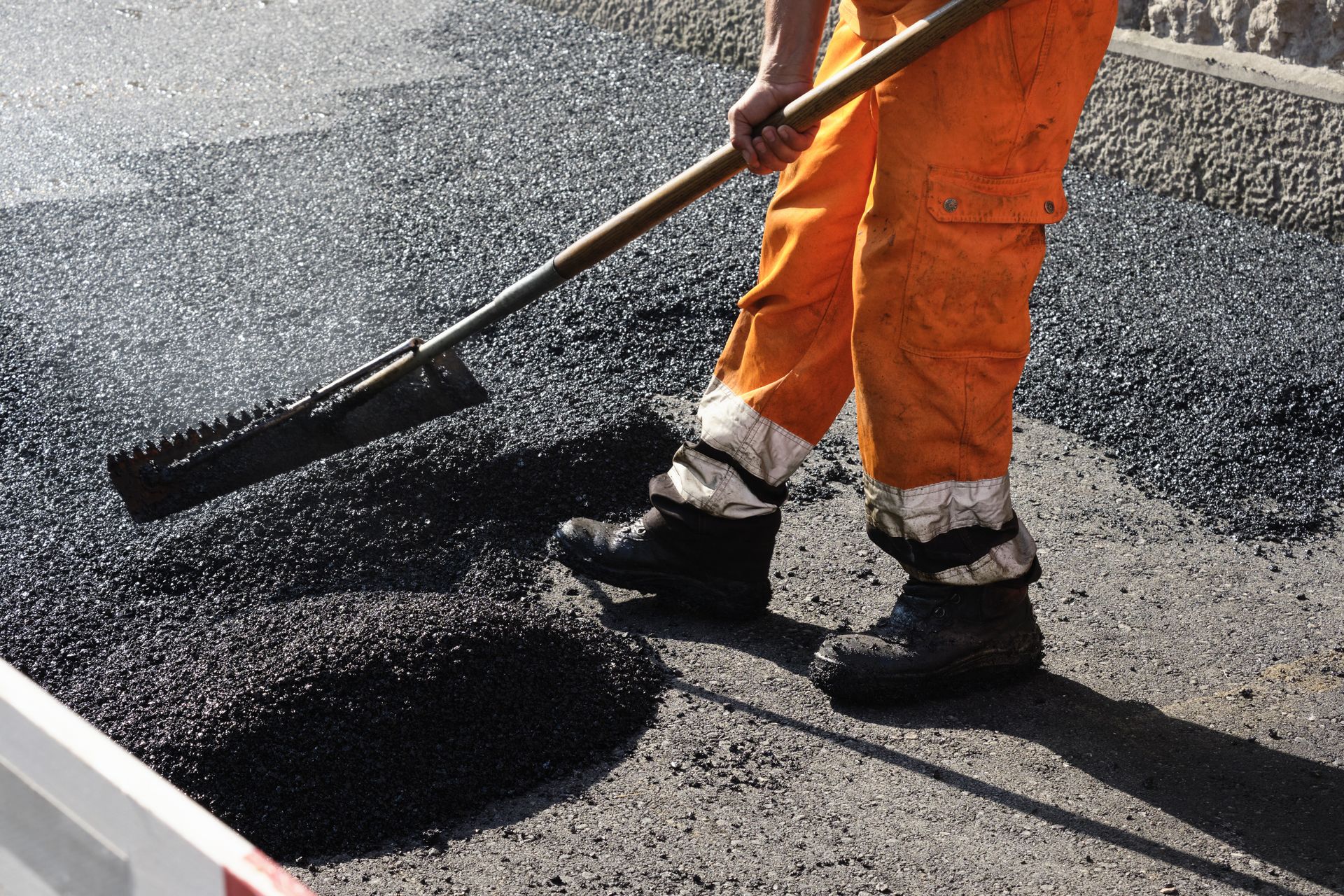
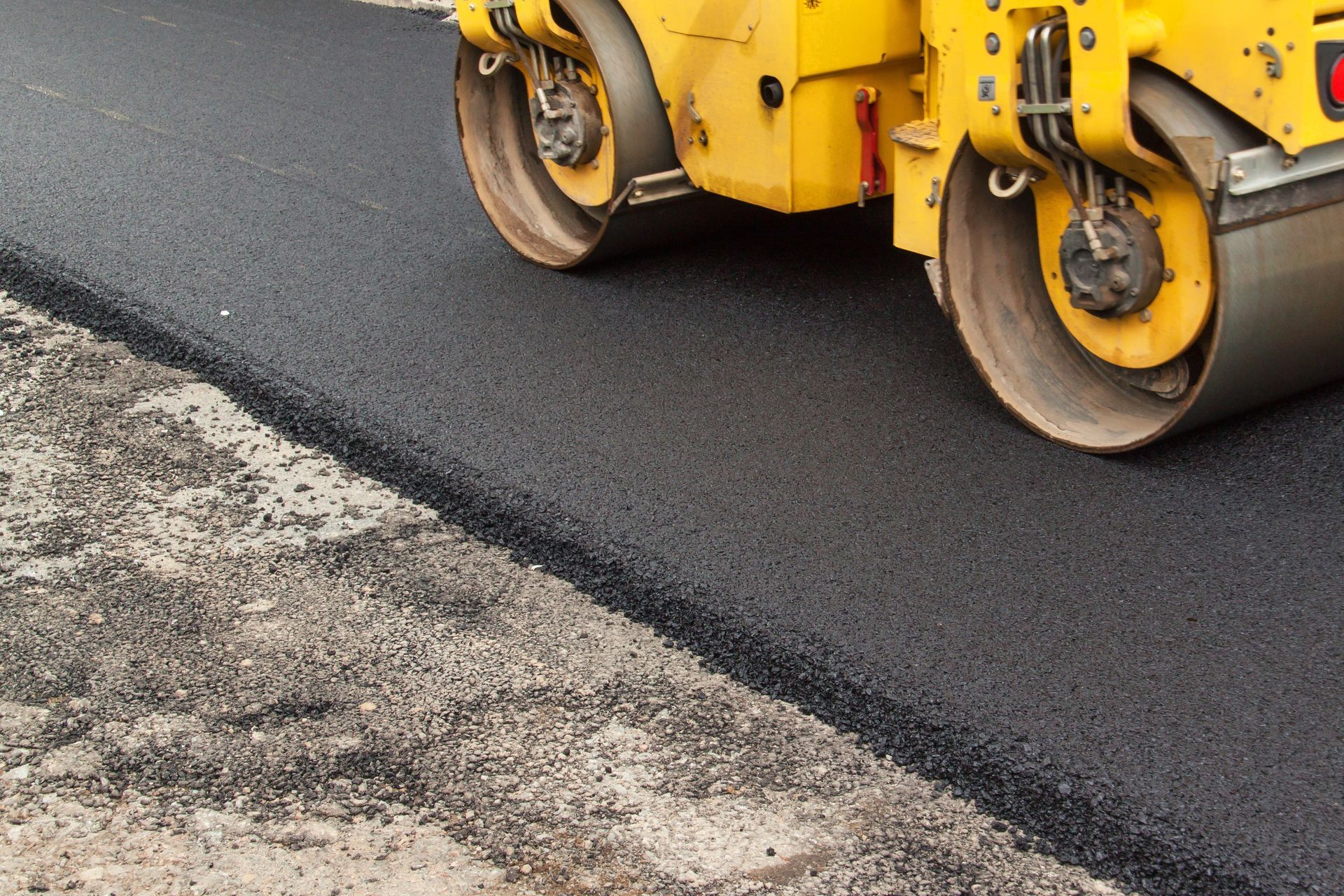
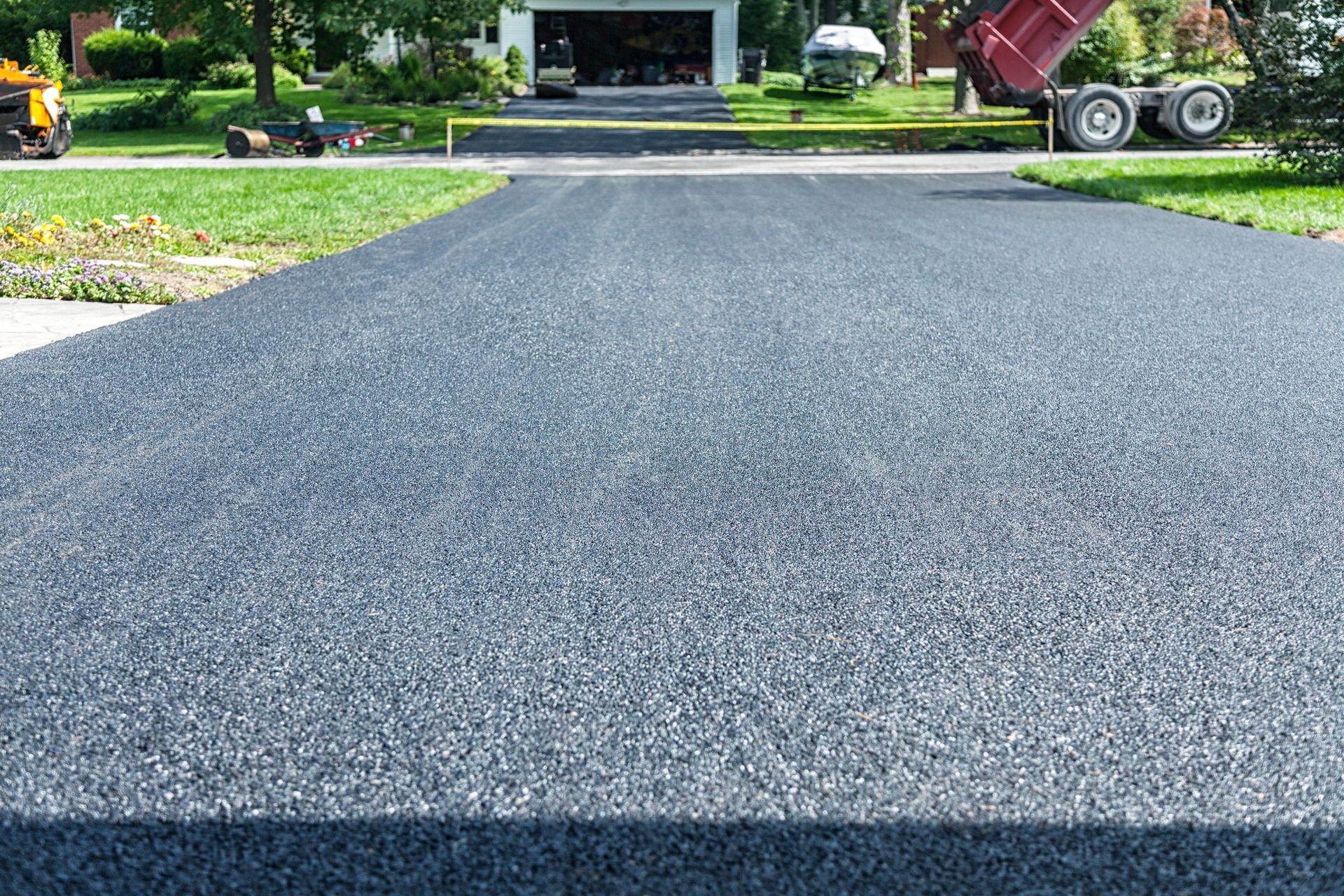
Resurfacing involves applying a fresh layer of asphalt over an existing surface. It is the right middle ground when pavement shows widespread but shallow surface damage, such as extensive cracking, rutting, or significant fading and oxidation across a large area.
If more than roughly a quarter of your pavement surface shows surface-level distress but the base layer underneath remains intact, resurfacing may restore function and appearance at a fraction of the cost of full replacement. For driveways and parking lots in Charlottesville that have endured years of UV exposure and winter freeze cycles, resurfacing can add meaningful years of service life.
Signs That Full Replacement Is Required
Full replacement becomes necessary when damage goes deeper than the surface. Alligator cracking covering large sections, deep structural failures, drainage problems, or significant sinking and heaving indicate that the base layer itself may be compromised. No amount of patching or overlaying will fix a failing foundation.
In areas around Charlottesville, including neighborhoods near Route 29 and properties in the western Albemarle County corridor, soil conditions and older construction standards can contribute to base failures over time. Experienced asphalt paving services providers can probe the base and confirm whether a full rebuild is warranted before any work begins.
How Do You Choose Between the Three Options?
The decision comes down to three factors: the depth of damage, the percentage of the surface affected, and the age of the pavement.
A useful general framework:
- Surface damage affecting less than 25 percent of the area, with a solid base, may call for targeted repairs.
- Widespread surface deterioration across more than 25 percent of the area, with a sound base, may be a candidate for resurfacing.
- Structural base failure, drainage issues, or significantly aged pavement throughout may require full replacement.
Age matters as well. Asphalt surfaces typically last 20 to 30 years depending on traffic load, maintenance history, and climate exposure. Pavement in that age range showing widespread distress is often past the point where resurfacing delivers long-term value.
The Cost-vs-Value Perspective
Repair is generally the least expensive option per square foot but only makes economic sense when surrounding pavement is in reasonable condition. Resurfacing costs more upfront than spot repair but far less than full replacement, and it can add years of life to a surface that still has a good foundation. Full replacement carries the highest upfront investment but delivers the best long-term value when the base is compromised, because resurfacing over a failing foundation simply delays an inevitable rebuild.
Charlottesville's summers can push surface temperatures well above 90 degrees, softening asphalt and making it more vulnerable to rutting. Combined with winter freeze-thaw stress, pavement here can age faster than in more temperate climates. Proactive maintenance through sealcoating or timely residential and commercial paving work can significantly extend the time between major interventions.
Does Sealcoating Factor Into This Decision?
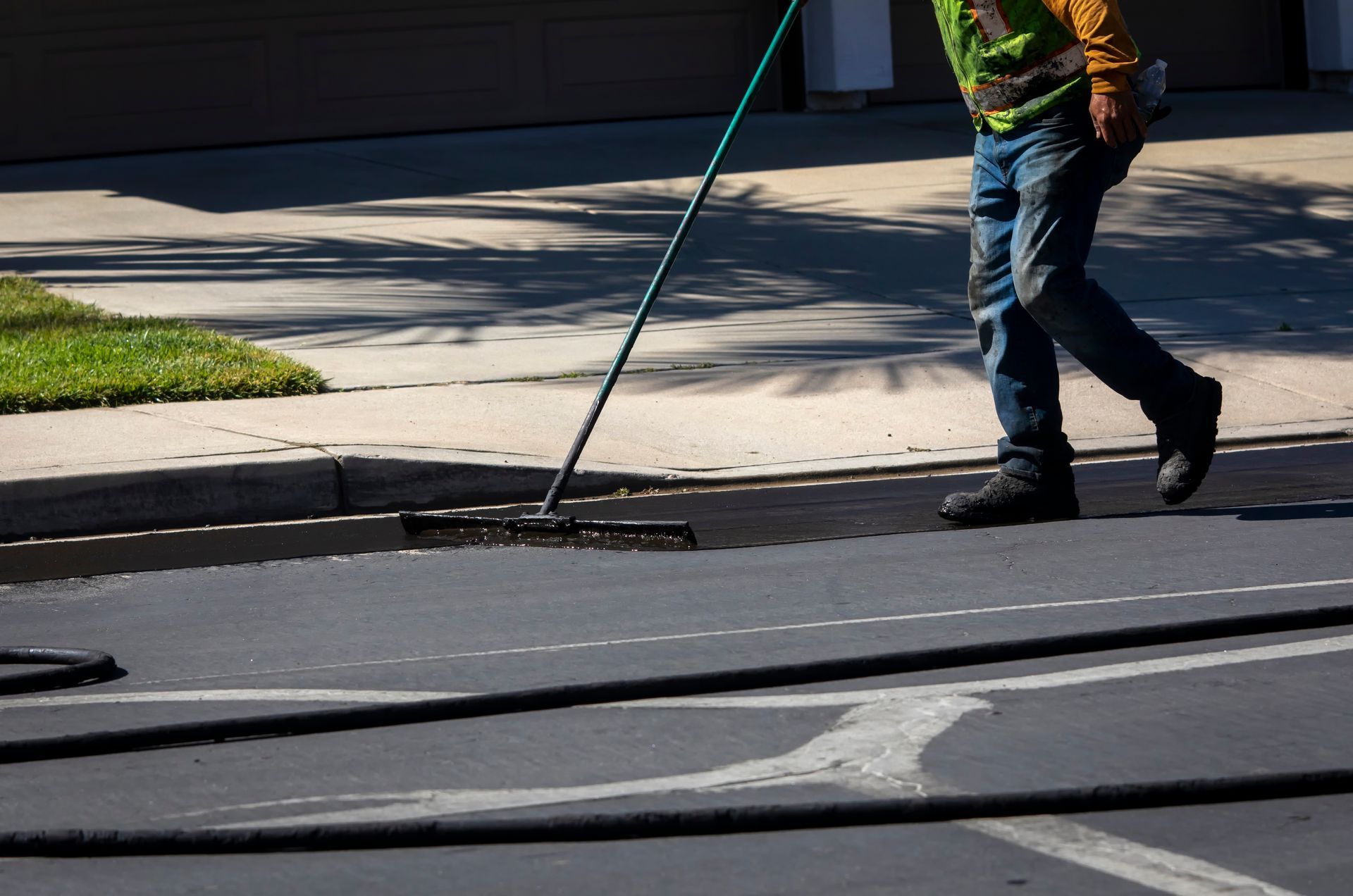
Sealcoating is a preventive treatment, not a structural repair. It slows oxidation, protects against UV damage, and reduces water infiltration on surfaces that are otherwise in good condition. It does not fill cracks or restore structural integrity. If your pavement needs repair or replacement, sealcoating should come after that work is complete. A provider offering asphalt paving services can help you determine the right sequence of treatments for your surface.
How Often Should Asphalt Be Professionally Inspected?
A professional inspection every two to three years can help property owners catch developing issues before they escalate. In Charlottesville's climate, annual visual checks after winter are also a practical habit. Early detection typically means less extensive and less expensive interventions.
Get a Free Assessment Before You Decide
The best way to determine which option is right for your surface is to have a qualified contractor evaluate it in person. Every driveway, parking lot, and road surface is different, and condition can vary by section.
Wells Paving & Seal Coating serves the Charlottesville, VA, area with
asphalt paving services for residential, commercial, industrial, and government properties.
Contact us today or find us on
Wells Paving & Seal Coating to request a free estimate and get an honest assessment of what your pavement actually needs.